
The symptom tracking diaries developed by DDx Publishing are created in such a way that they can be used for research purposes.
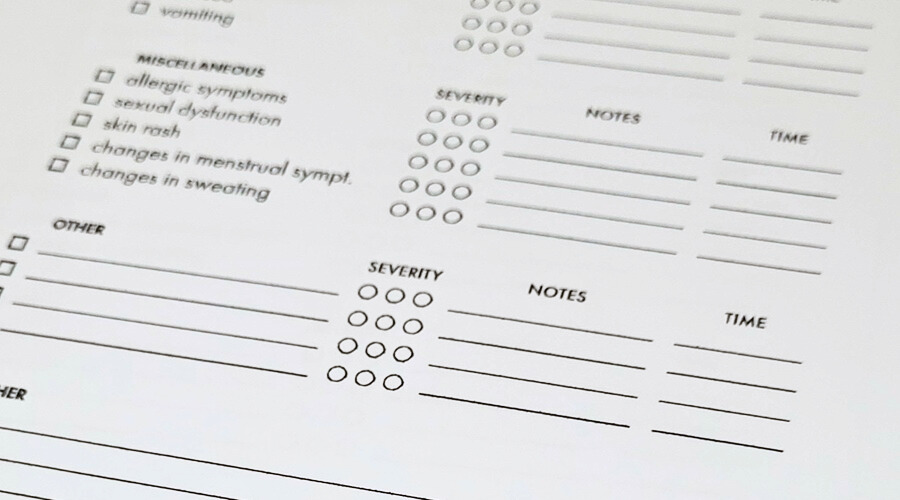
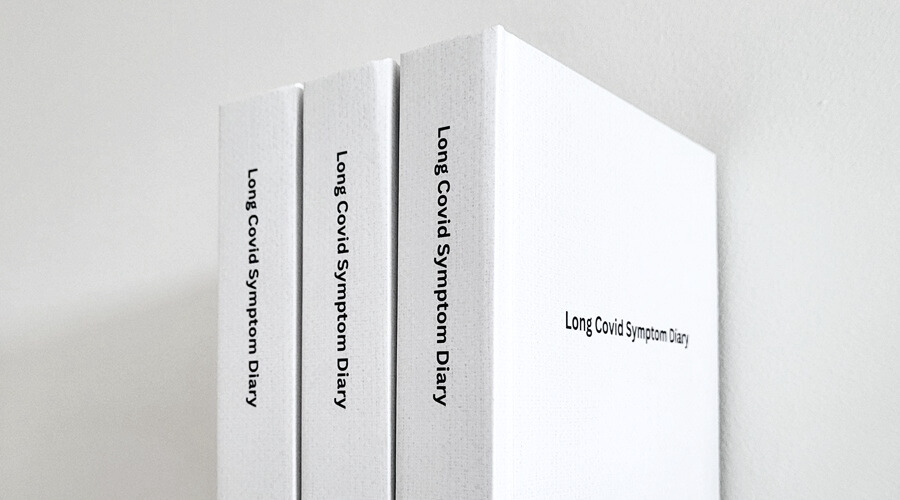
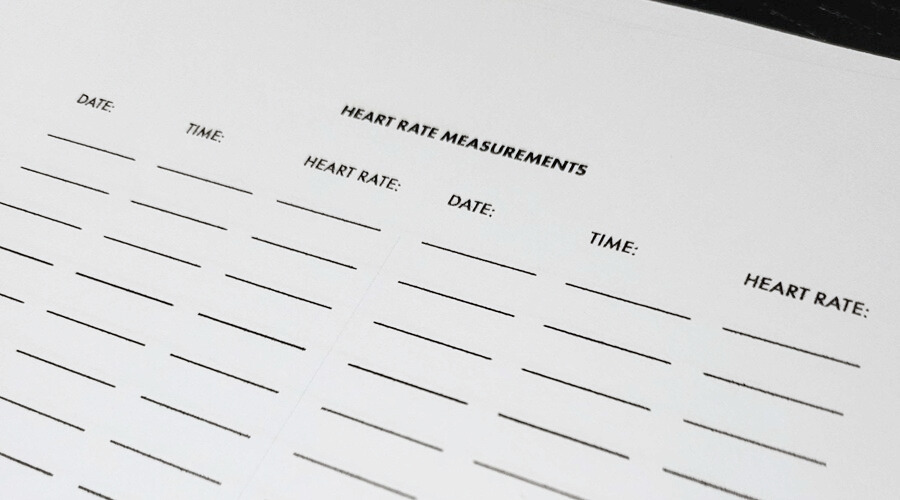
For example, the Long Covid Symptom Diary is a valuable research tool because it standardizes data collection and ensures that key symptoms, including those often overlooked in studies, are systematically tracked over time. Unlike many research methods that rely on patients recalling symptoms from memory, this diary provides a structured, easy-to-navigate way of tracking symptoms, thereby reducing cognitive strain and improving accuracy.
Researchers can use this specific notebook to:
– Analyze symptom progression & fluctuations over time
– Examine the impact of reinfections, vaccinations, and co-infections
– Identify patterns in symptom clusters & triggers
– Improve patient-centered study design by including a broader symptom range
– Gather insight into the patient’s use of medication, supplements, treatments, and their effects
By integrating this approach into studies, we can produce more reliable, inclusive, and patient-informed research that better reflects the true scope of Long Covid.
However, this concept can be applied to many other diseases. We’re already working on adapting the diary for the use in a clinical trial, which is set to start in Summer 2025.
Are you interested in using a customized symptom diary in your research study? Do reach out to us at mail@ddxpublishing.com to hear about the possibilities.
DDx Publishing is in the process of developing an AI-powered tool to help researchers seamlessly and securely digitize the data collected in our symptom diaries. By converting patient-recorded information from a physical format into an accessible digital one, this tool will drastically reduce the time and manpower needed for data collection and analysis.
Automating this process means researchers can focus on interpreting results and uncovering meaningful insights, rather than manually inputting data. Stay tuned!
The symptom tracking diaries developed by DDx Publishing are created in such a way that they can be used for research purposes.
For example, the Long Covid Symptom Diary is a valuable research tool because it standardizes data collection and ensures that key symptoms, including those often overlooked in studies, are systematically tracked over time. Unlike many research methods that rely on patients recalling symptoms from memory, this diary provides a structured, easy-to-navigate way of tracking symptoms, thereby reducing cognitive strain and improving accuracy.
Researchers can use this specific notebook to:
– Analyze symptom progression and fluctuations over time
– Examine the impact of reinfections, vaccinations, and co-infections
– Identify patterns in symptom clusters and triggers
– Improve patient-centered study design by including a broader symptom range
– Gather insight into the patient’s use of medication, supplements, treatments, and their effects
By integrating this approach into studies, we can produce more reliable, inclusive, and patient-informed research that better reflects the true scope of Long Covid.
However, this concept can be applied to many other diseases. We’re already working on adapting the diary for the use in a clinical trial, which is set to start in Summer 2025.
Are you interested in using a customized symptom diary in your research study? Do reach out to us at
mail@ddxpublishing.com to hear about the possibilities.
DDx Publishing is in the process of developing an AI-powered tool to help researchers seamlessly and securely digitize the data collected in our symptom diaries. By converting patient-recorded information from a physical format into an accessible digital one, this tool will drastically reduce the time and manpower needed for data collection and analysis.
Automating this process means researchers can focus on interpreting results and uncovering meaningful insights, rather than manually inputting data. Stay tuned!
The symptom tracking diaries developed by DDx Publishing are created in such a way that they can be used for research purposes.
For example, the Long Covid Symptom Diary is a valuable research tool because it standardizes data collection and ensures that key symptoms, including those often overlooked in studies, are systematically tracked over time. Unlike many research methods that rely on patients recalling symptoms from memory, this diary provides a structured, easy-to-navigate way of tracking symptoms, thereby reducing cognitive strain and improving accuracy.
Researchers can use this specific notebook to:
– Analyze symptom progression & fluctuations over time
– Examine the impact of reinfections, vaccinations, and co-infections
– Identify patterns in symptom clusters & triggers
– Improve patient-centered study design by including a broader symptom range
– Gather insight into the patient’s use of medication, supplements, treatments, and their effects
By integrating this approach into studies, we can produce more reliable, inclusive, and patient-informed research that better reflects the true scope of Long Covid.
However, this concept can be applied to many other diseases. We’re already working on adapting the diary for the use in a clinical trial, which is set to start in Summer 2025.
Are you interested in using a customized symptom diary in your research study? Do reach out to us at mail@ddxpublishing.com to hear about the possibilities.
DDx Publishing is in the process of developing an AI-powered tool to help researchers seamlessly and securely digitize the data collected in our symptom diaries. By converting patient-recorded information from a physical format into an accessible digital one, this tool will drastically reduce the time and manpower needed for data collection and analysis.
Automating this process means researchers can focus on interpreting results and uncovering meaningful insights, rather than manually inputting data. Stay tuned!